As we move into 2026, we want to share why Forests Without Frontiers believes authentic community connection through nature is vital.
Landscapes have always shaped who we are. They have sustained us materially and culturally through water, air, food, shelter and inspiration. Our ancestors chose natural places for gathering and ceremony because they offered drama, acoustics and awe. A cave, a woodland clearing, a hillside became a theatre. Wind in the leaves, the howl of a wolf, the echo of a human voice, all part of the performance. The wild itself was central to the experience.
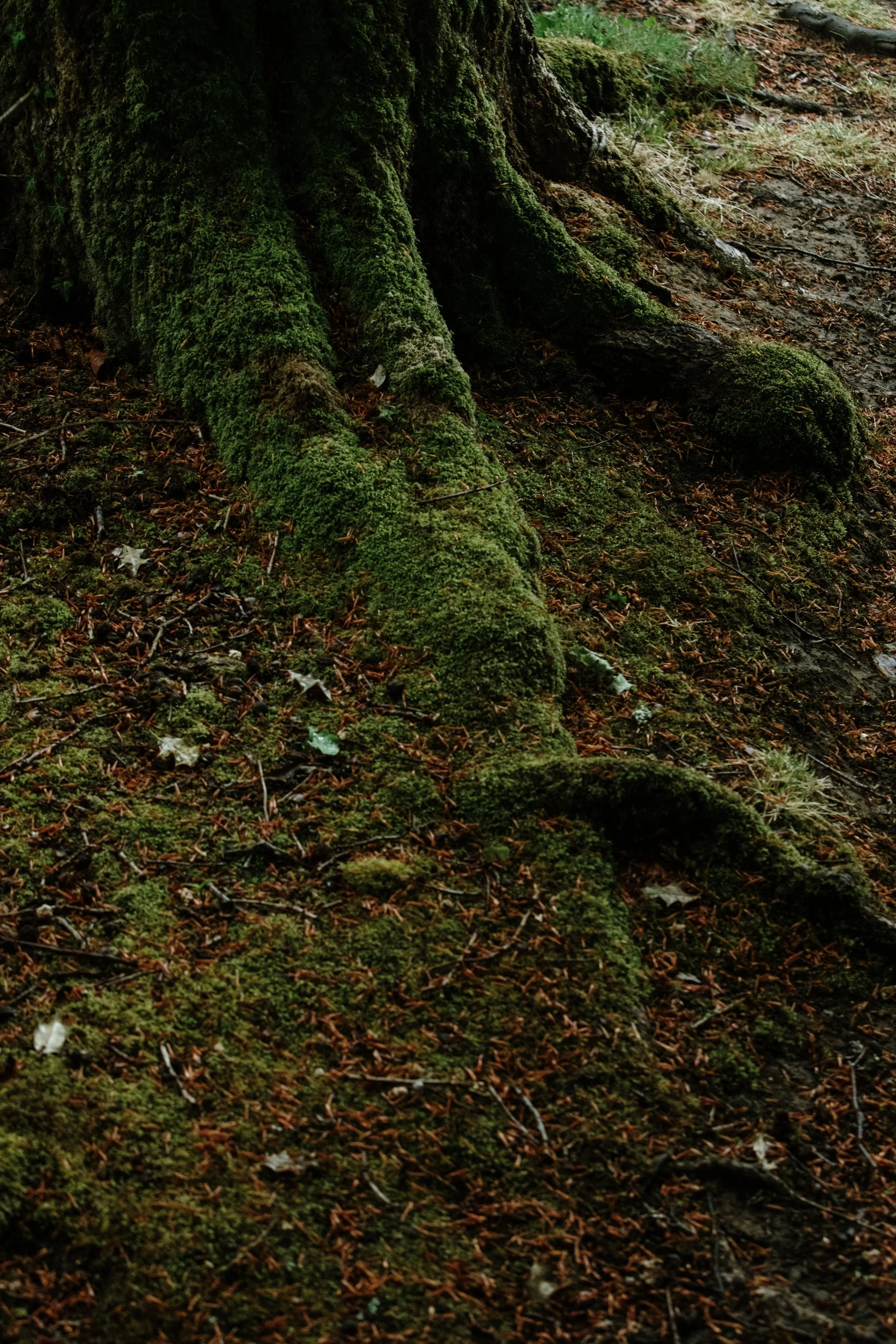
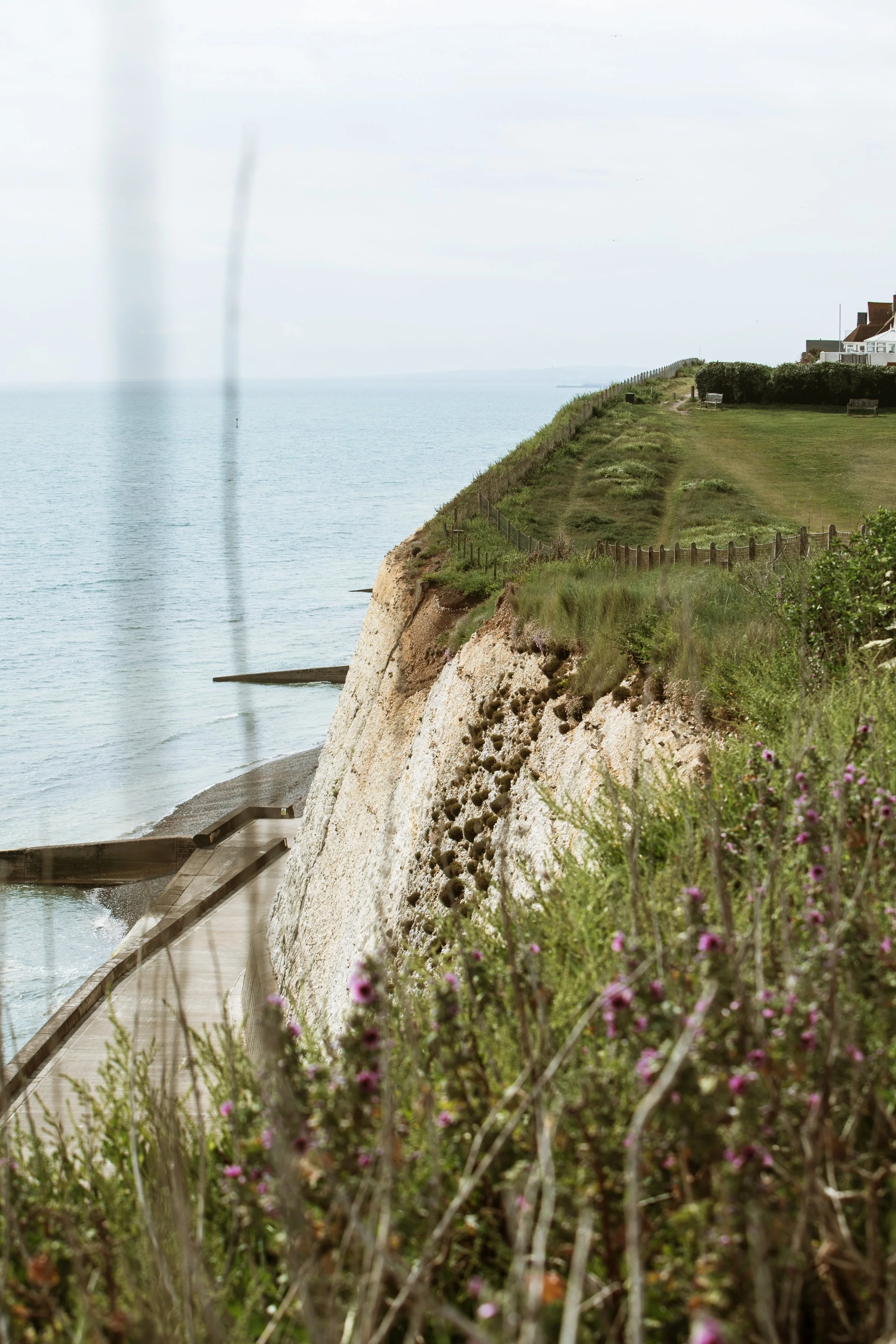
Today, many of those awe-inspiring places have been diminished or lost beneath centuries of expansion, noise and waste. Alongside biodiversity loss, we are experiencing something quieter but equally profound: a loss of memory. We forget what a truly wild landscape feels and sounds like.
This phenomenon is known as Shifting Baseline Syndrome. With each generation, species disappear and so does our understanding of how to live alongside them. We also lose stillness, darkness and quiet: the ‘green medicine’ that regulates overstimulated nervous systems. Noise and light pollution now permeate even rural spaces. There are sounds many of us have never heard, the crash of a great tree falling, the breath of wild boar in the undergrowth.
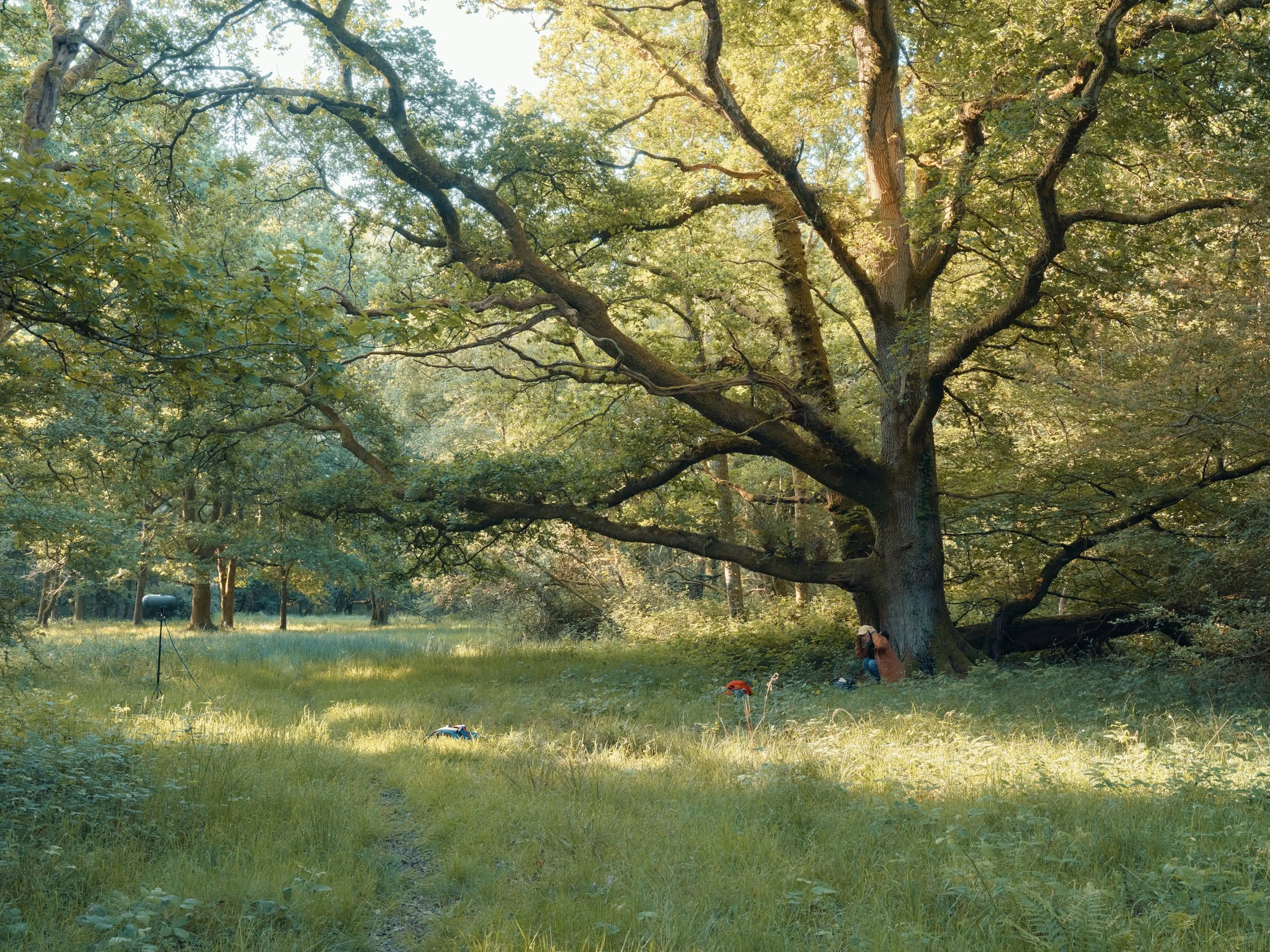
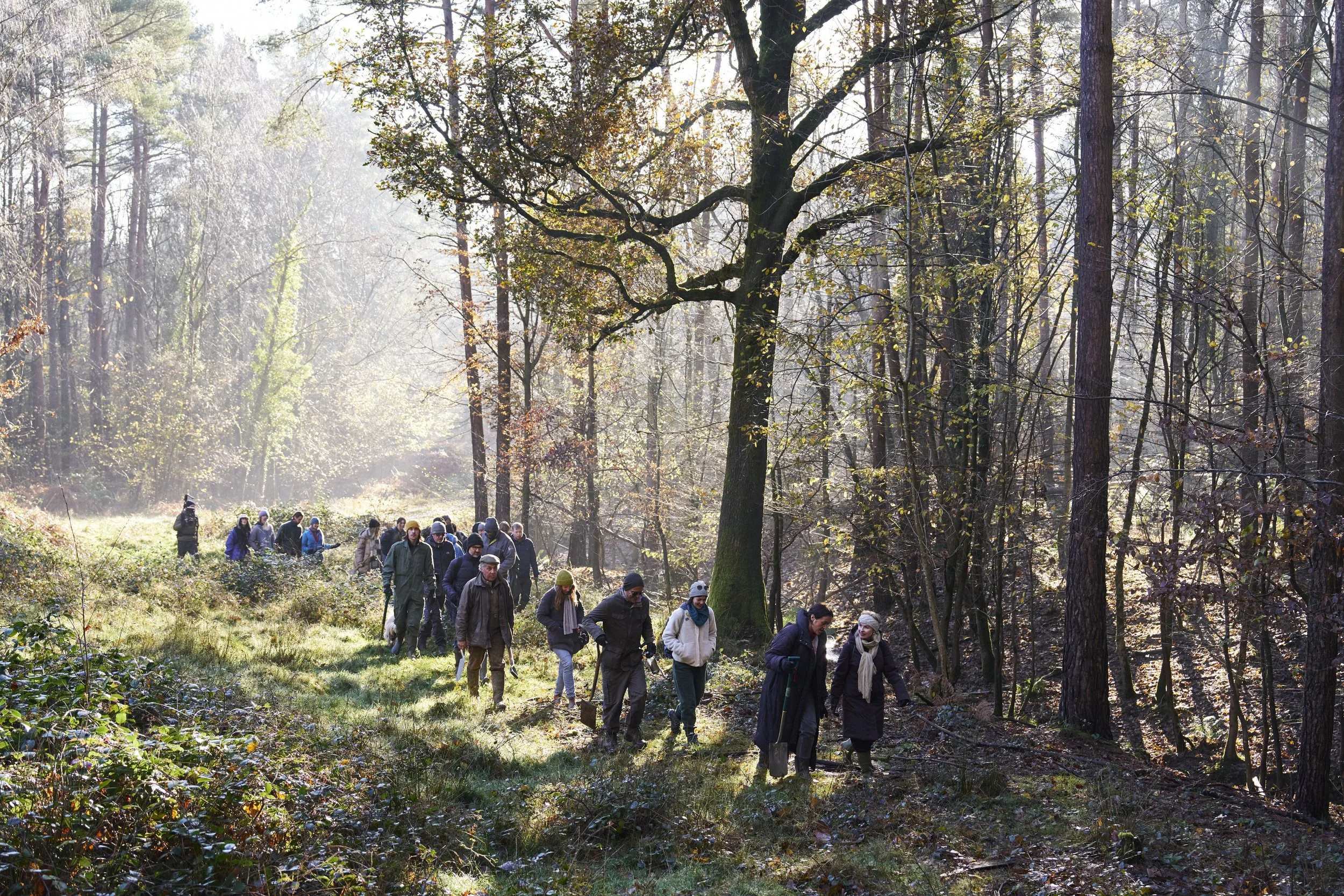
Some ancient places, however, still hold that power. Ebernoe Common in West Sussex is one such remnant, a woodland that continues its own rewilding journey and invites reverence.
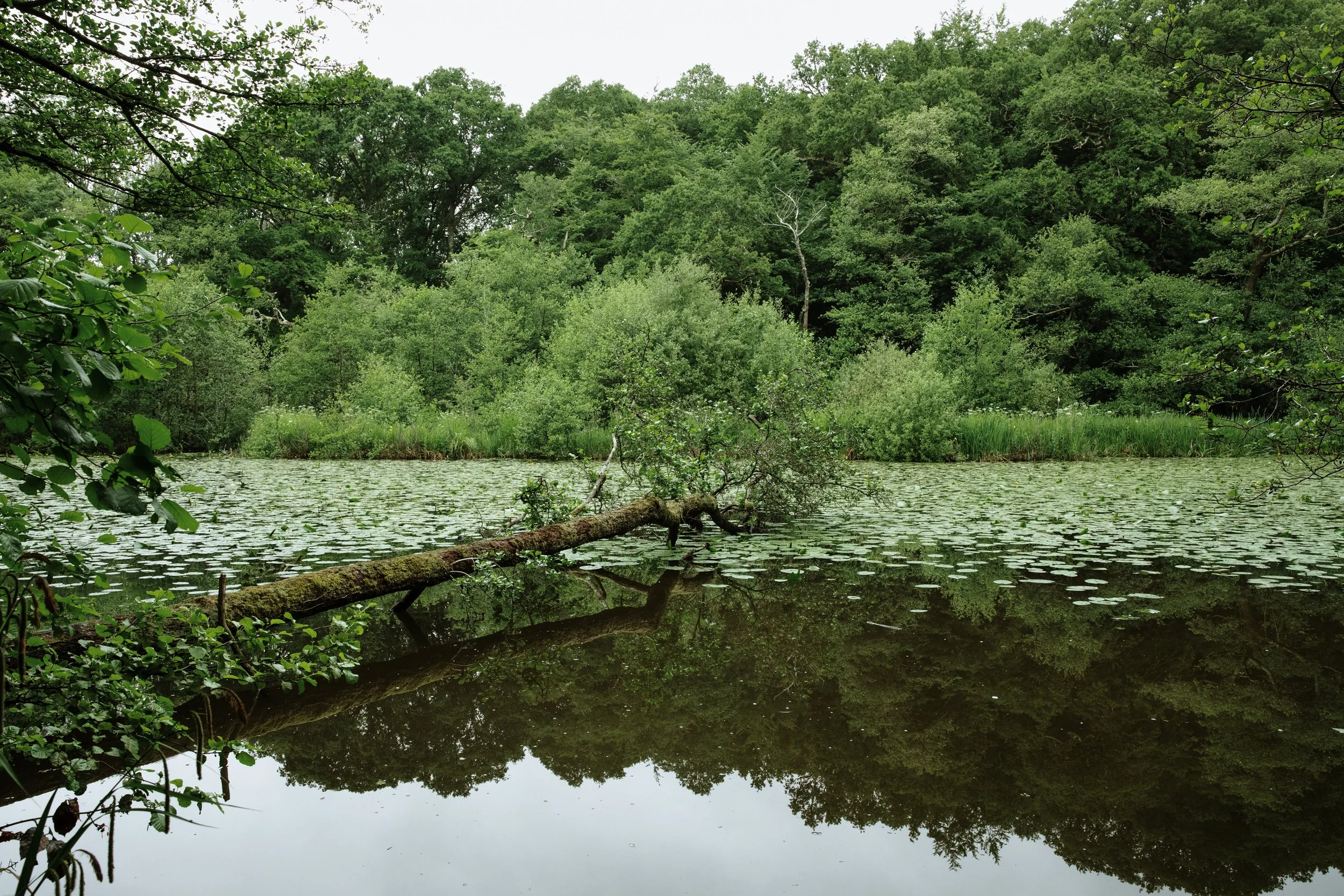
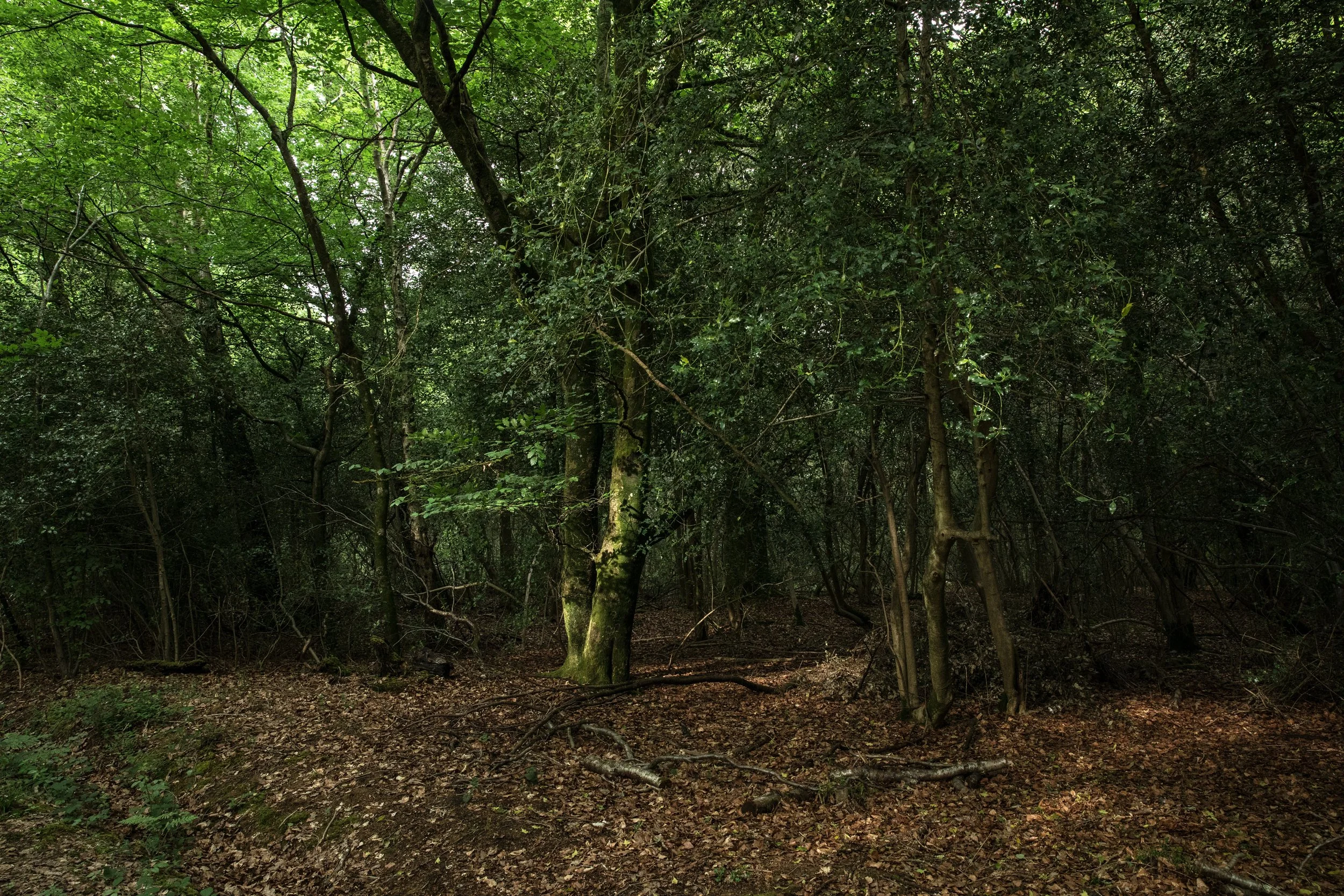
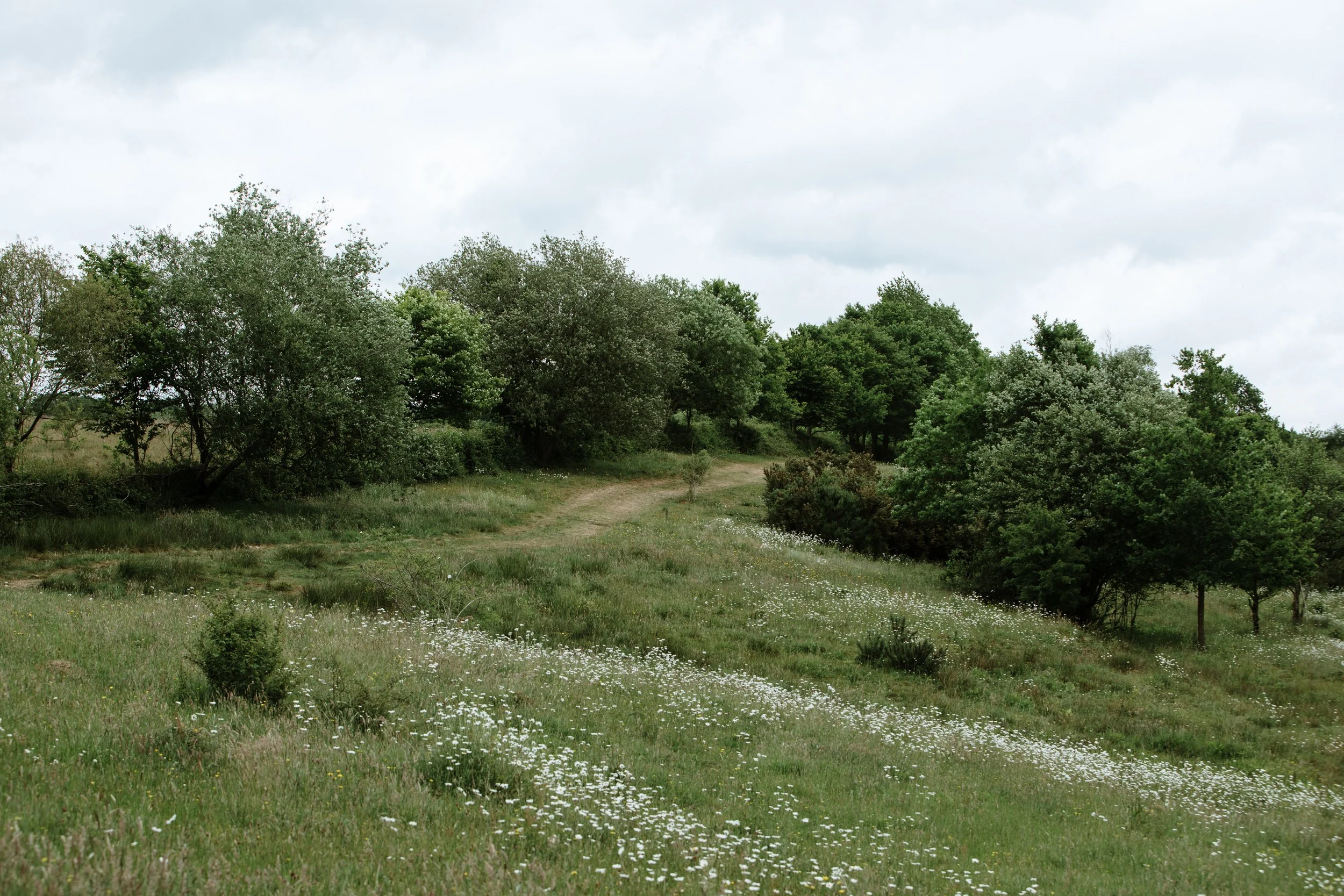
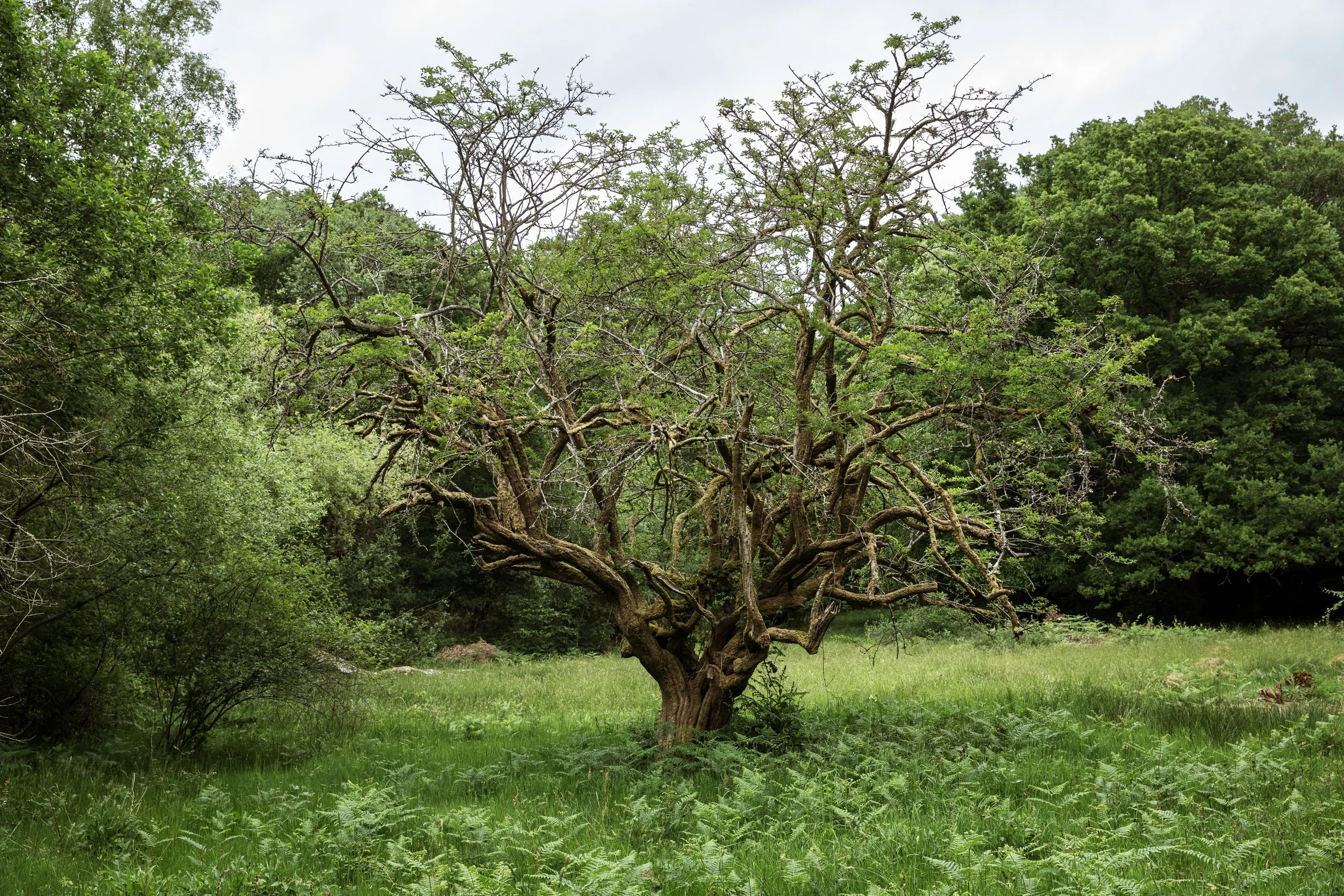
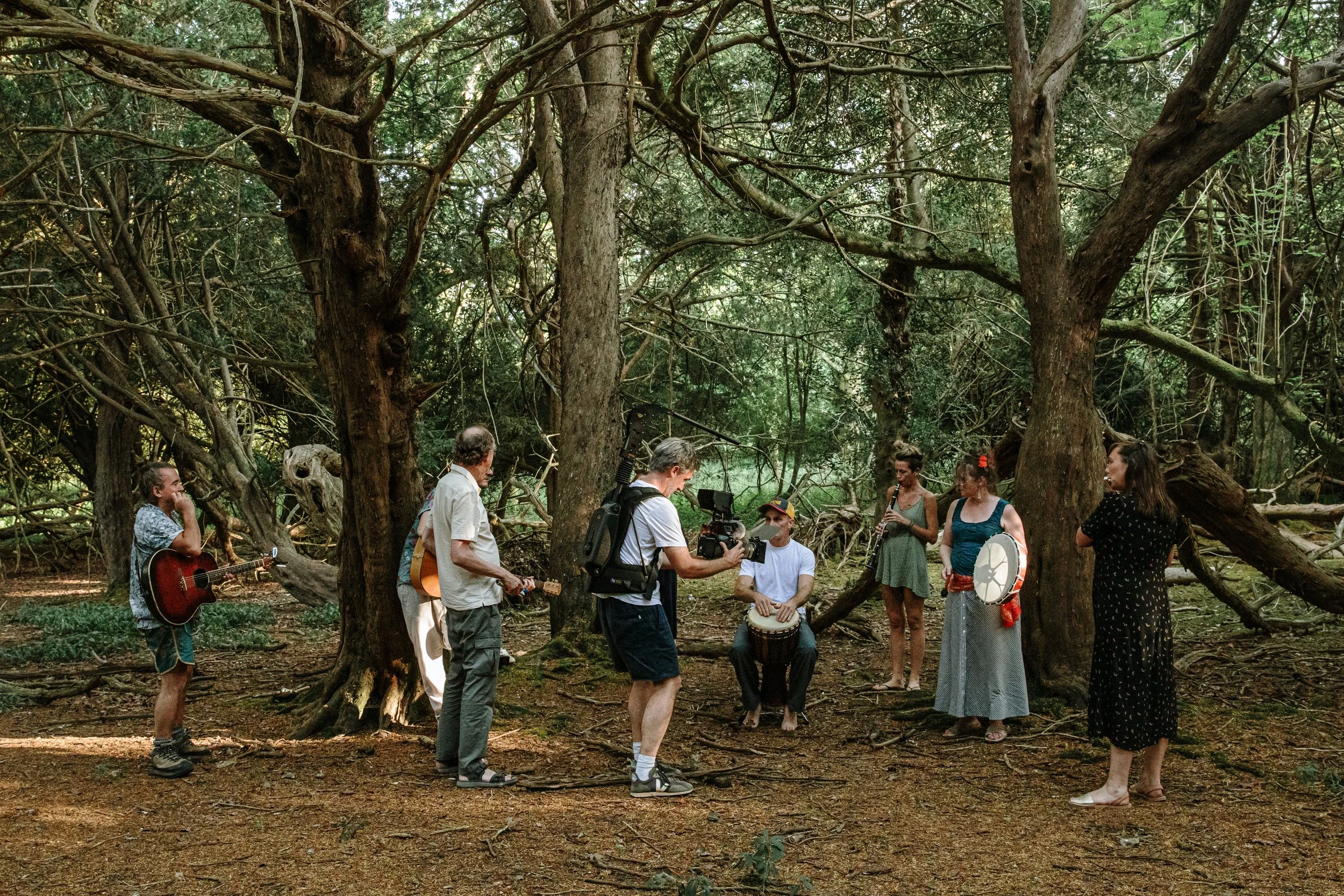
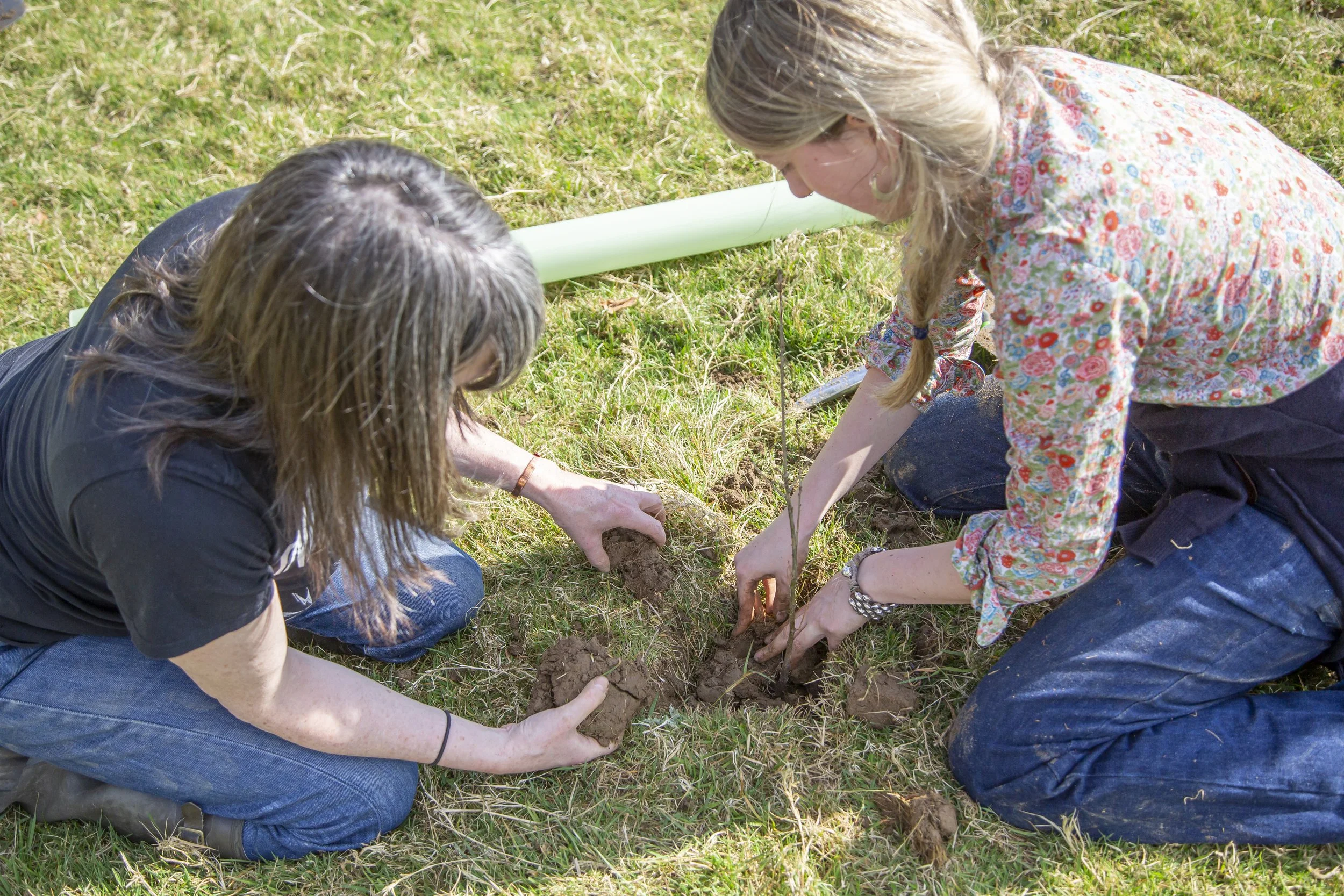
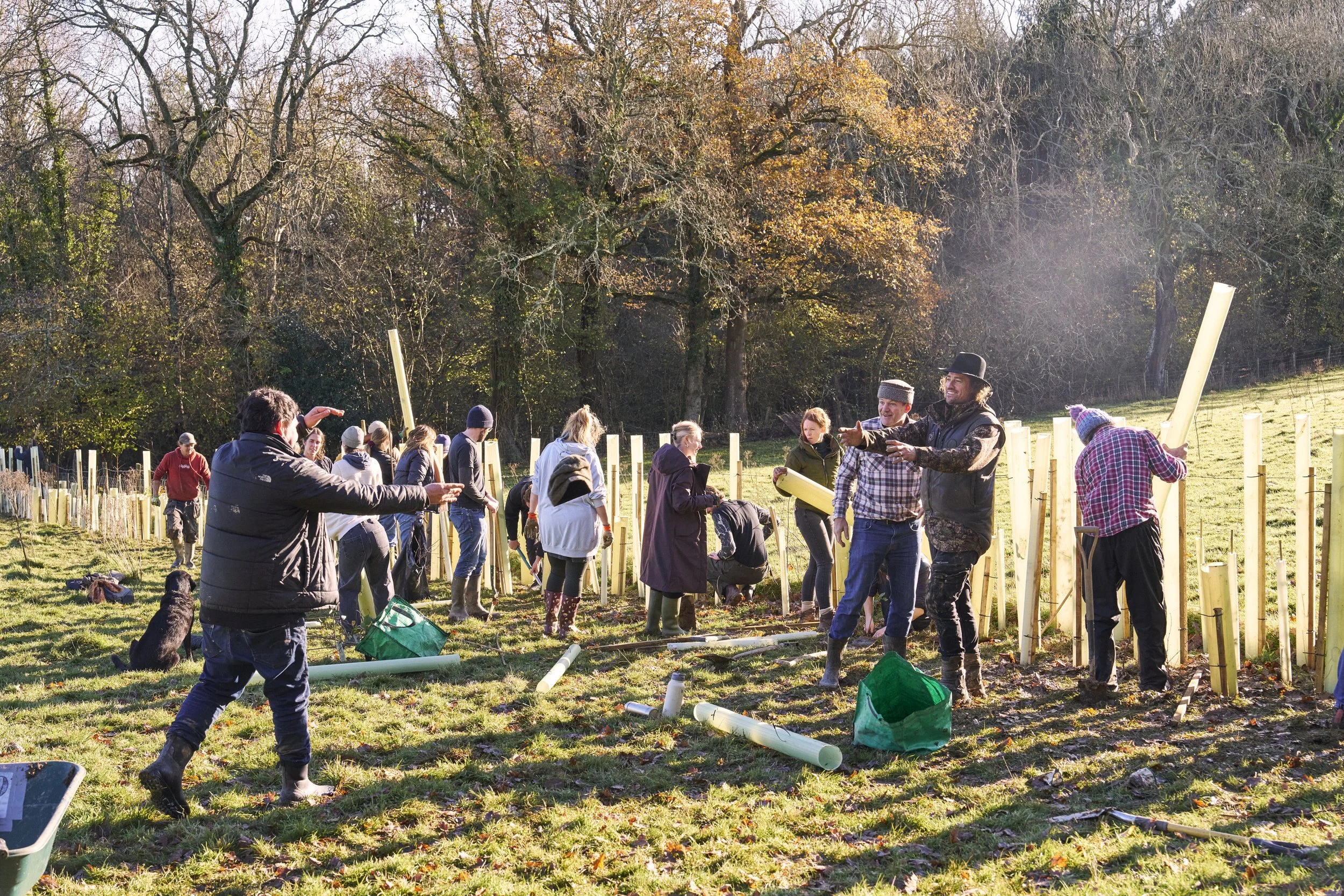
Building on our Interbeing project in Romania, Forests Without Frontiers launched our first major UK community arts initiative here: Enchanting Forest. This project interweaves traditional and contemporary music to capture the essence of wild places, creating narrative and sound directly from the landscape. It invites people, including those often excluded from environmental spaces to co-create moments of reconnection, restoring both self and nature. Proceeds support further habitat restoration.
Rewilding has captured the cultural imagination because it speaks to a fundamental tension: ecological decline alongside the possibility of renewal. Cultural change can be slow until suddenly it isn’t. When inspiration ignites, momentum follows. Enchanting Forest channels that energy into creativity with purpose.
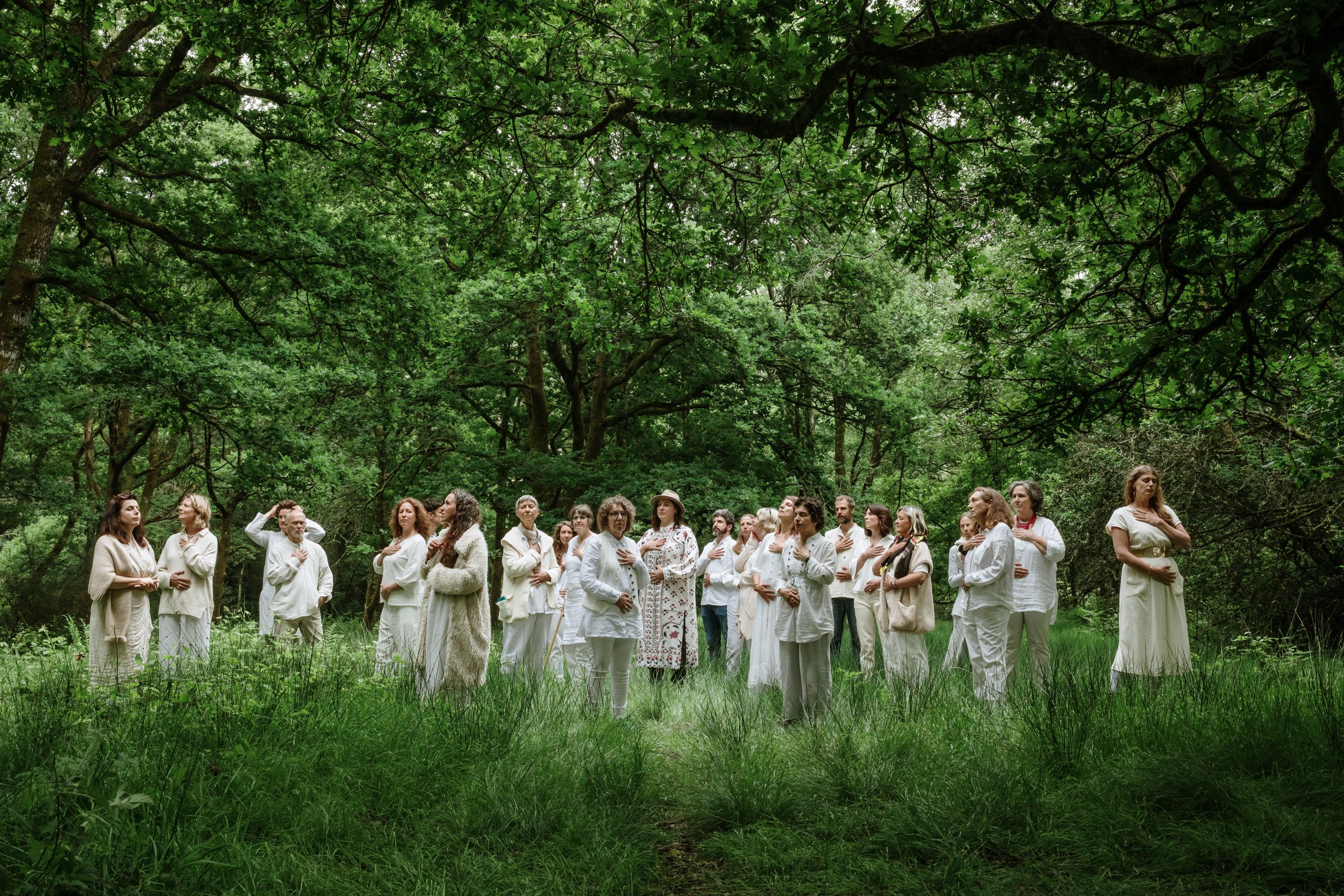
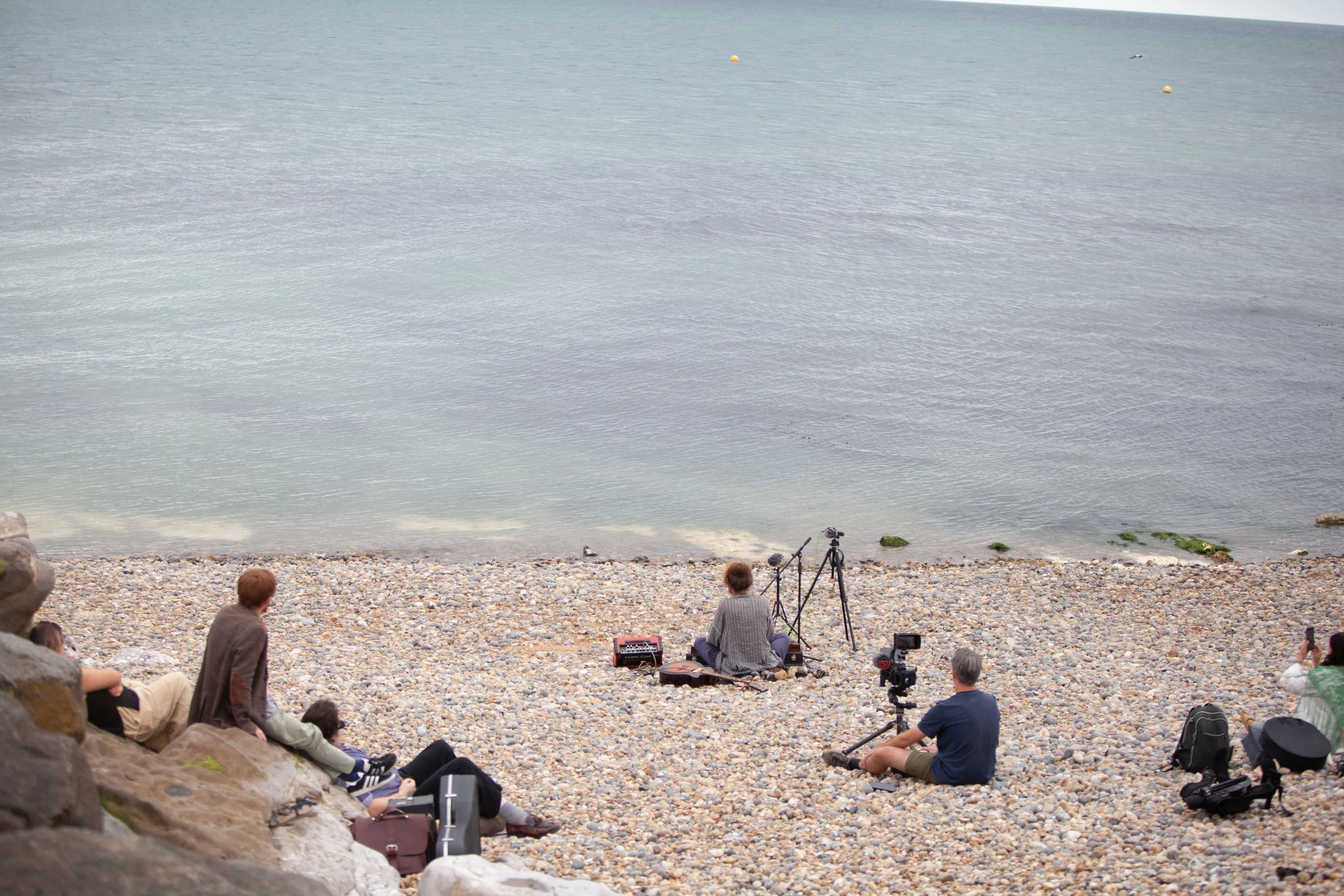
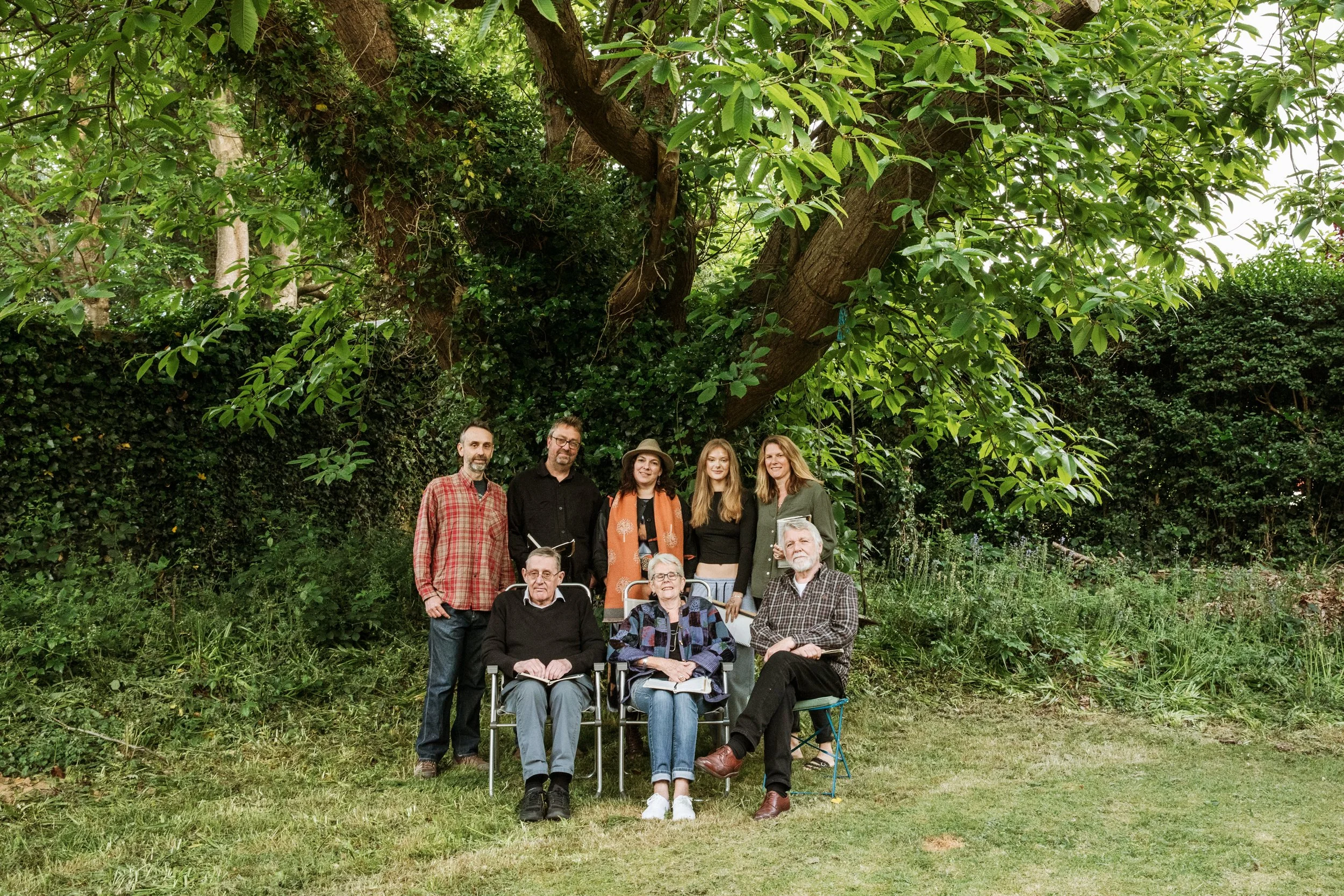
Even experienced ecologists can feel overwhelmed by climate change and biodiversity loss. What Forests Without Frontiers offers is hope and agency. Many people lack access to meaningful green space; very few have experienced true wildness. We aim to bridge that gap.
I still remember the first time I truly felt part of the wild. Walking through rewilding land, I heard movement ahead. Two red stags emerged in autumn mist, antlers locked in rut. They were immense, absorbed, utterly indifferent to my presence. In that moment I was not managing nature I was within it. That feeling has stayed with me.
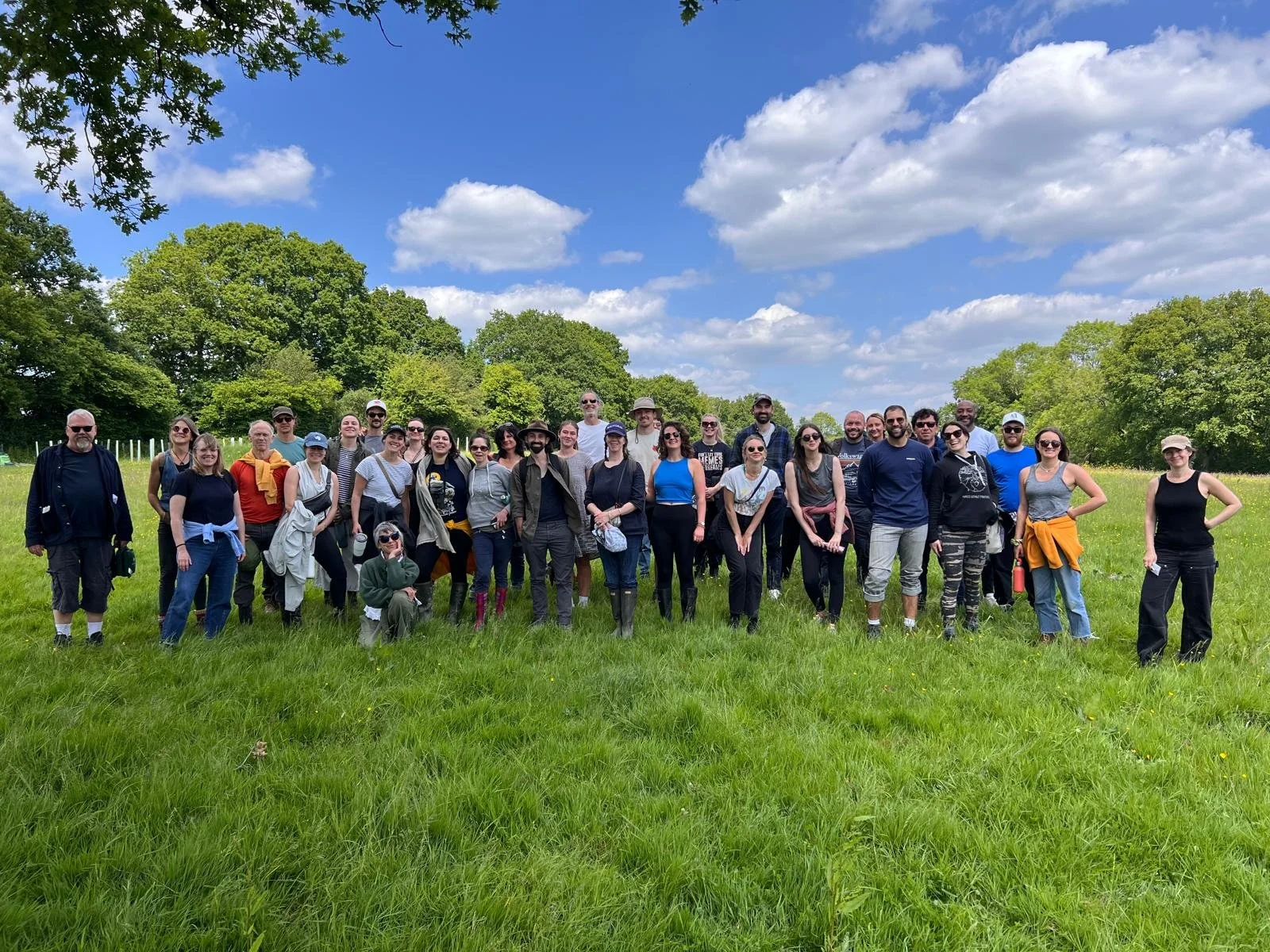
Our work seeks to nurture that sense of belonging, to remind people that they are not separate from nature, but part of it. By creating awe and wonder, we cultivate long-term care for the land. Bringing people together, connecting them to place, to community, to history is not peripheral to conservation. It is central to it.
Written by fran southgate, nature recovery specialist
Image credits: Beth Steddon (Enchanting Forest), Jen O’Brien, Beth Wild, Benedict Stenning, Murray Ballard